
On Monday, 20 March 2023, the second phase of the “Partnership for Equitable Quality Education” project began in Smederevo. Since 2020 the project has been implemented by the Centre for Interactive Pedagogy in cooperation with the Pestalozzi Children’s Foundation, with significant support from the Ministry of Education, Science and Technological Development. The first phase of the project was carried out in ten schools in Požarevac, Prokuplje and Šabac. In the second phase, cooperation with schools in these cities will continue, and schools from Smederevo, Vršac and Belgrade will also be included, nine schools in all.
Through partnerships at national and local level, the project seeks to provide integrated support to children and families, ensure the exchange of knowledge, experience and good practice, and advocate the importance of social and educational inclusion, especially of children from vulnerable social groups. The second phase of the project is planned to run from January 2023 to December 2025.
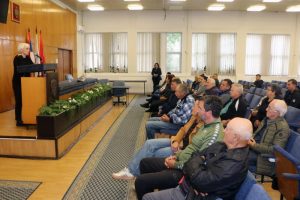
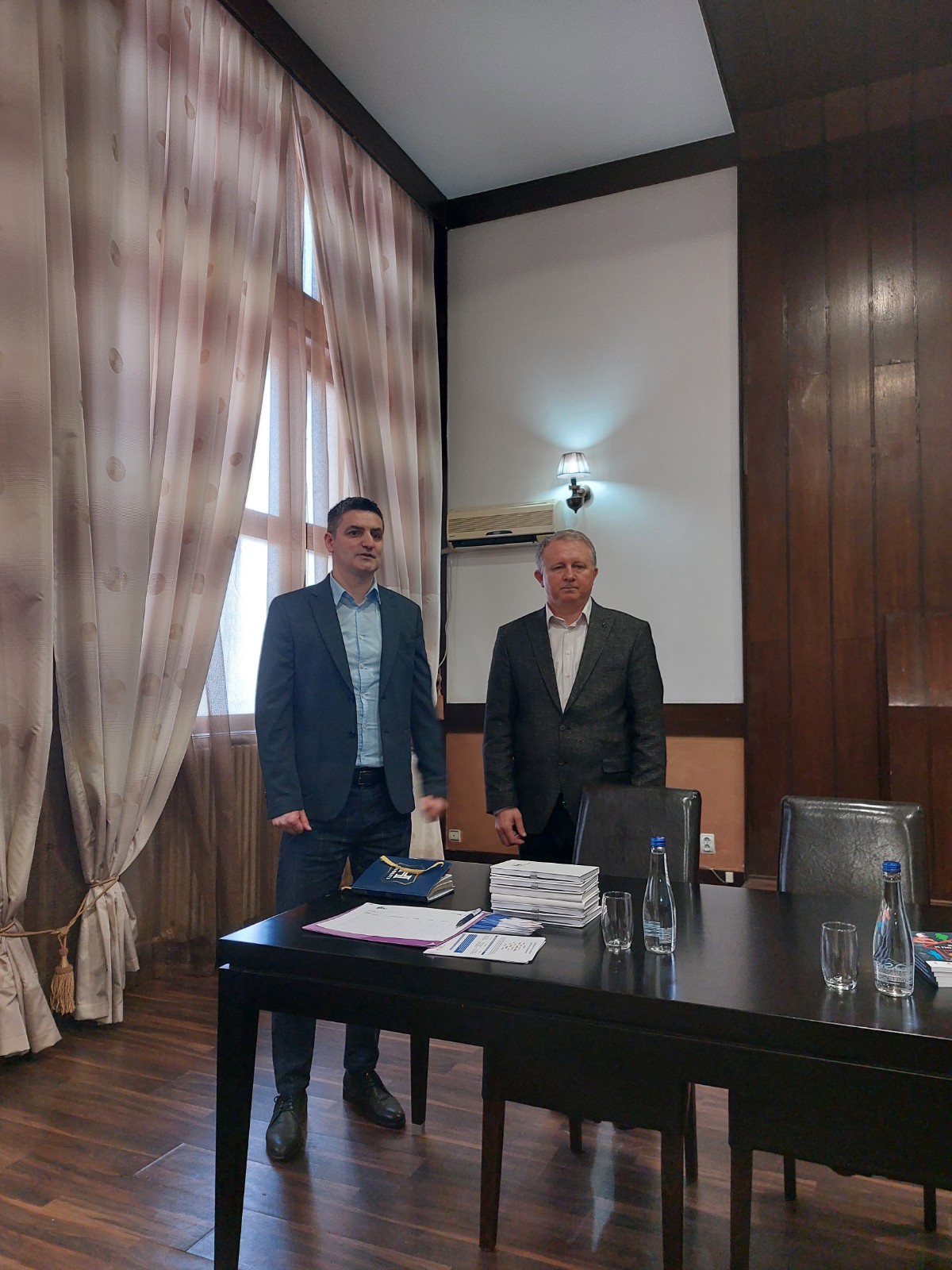
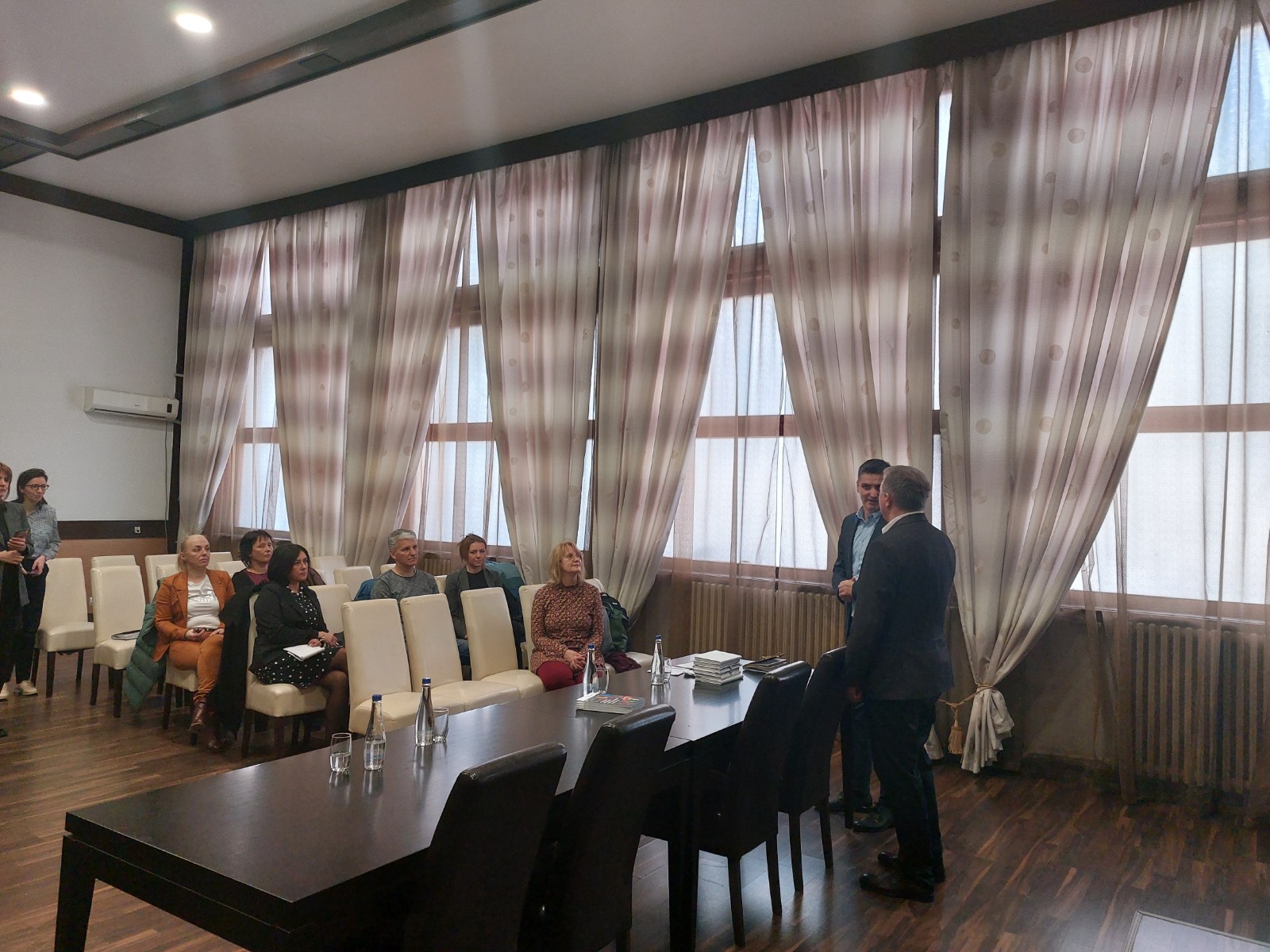
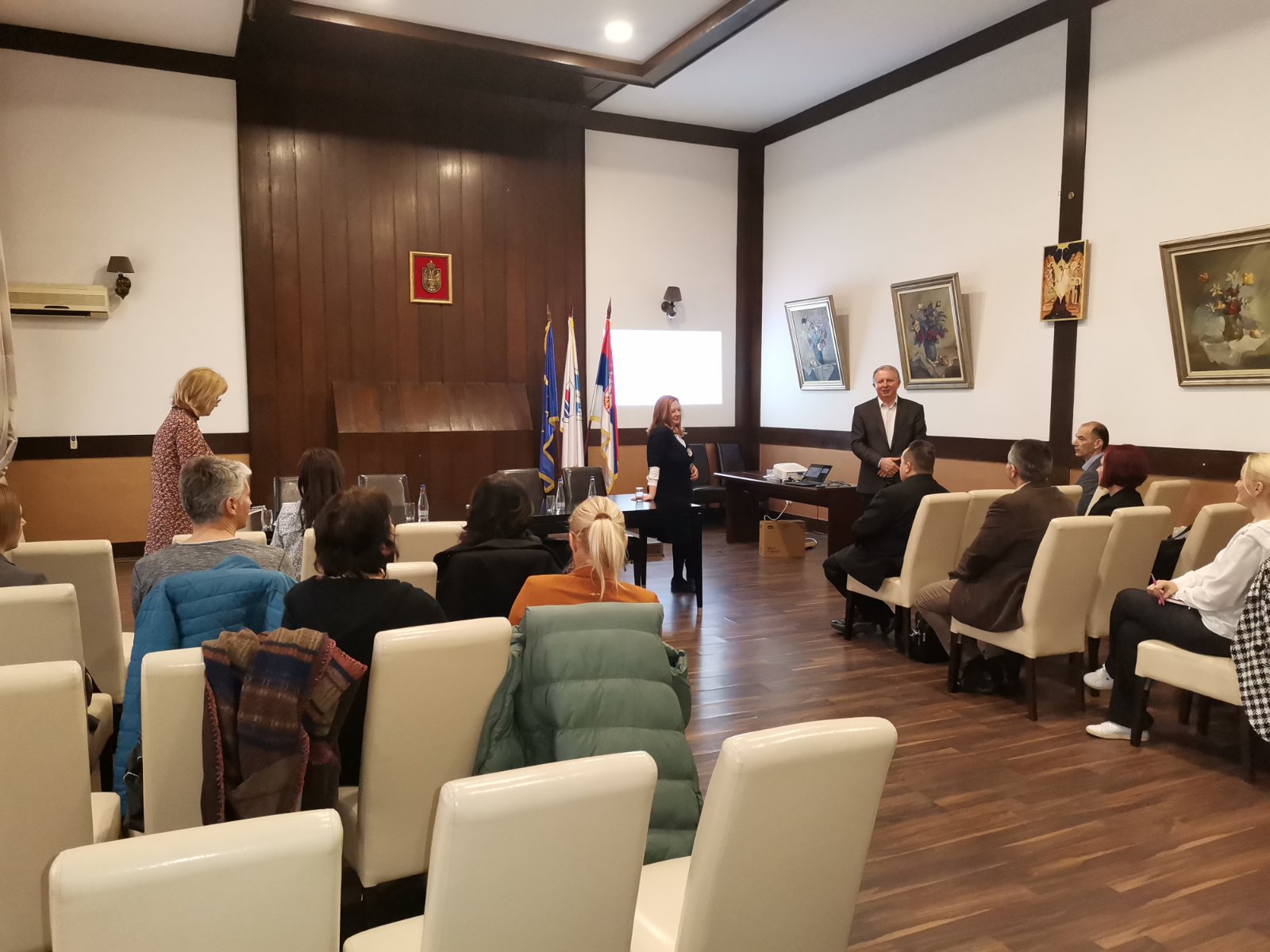
To mark the occasion, the project was presented today at the City Administration of Smederevo in the presence of the Mayor of Smederevo, Jovan Beč, Miša Ivković, Member of the City Council responsible for education, and the Head of the Požarevac School Administration, Veliša Joksimović. Mayor Beč addressed those involved in implementing the project, saying that he was pleased that Smederevo is one of the cities selected to take part in this project, which is very important for our youngest citizens. He also stressed that the City will always support projects of this kind that aim to provide better conditions for children’s education and for their successful growth and development.
It is important to note that three primary schools in Smederevo are involved in the project: “Jovan Jovanović Zmaj”, “Dimitrije Davidović” and “Dr Jovan Cvijić”.
The project is important because it organises activities to support social and emotional development, works on connecting parents and empowering members of parents’ councils, improves the quality of extracurricular activities, organises joint activities and brings children together, strengthens teachers’ competences in teaching and learning and develops a wider range of extracurricular activities, as well as a number of other important activities aimed at better working conditions in schools.